
STOP THE REMOVAL OF THE SHAKER LAKES!
The Northeast Ohio Sewer District (NEORSD) a public utility, is planning to permanently remove Horseshoe Lake.
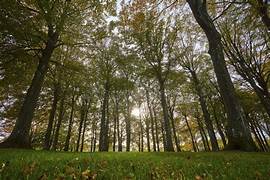
• Over 1,000 large trees will be cut down
• A 170-year-old ecosystem will be destroyed
• 26 acres of Parkland will be bulldozed
• AND NEORSD IS PLANNING TO REMOVE LOWER LAKE, TOO!
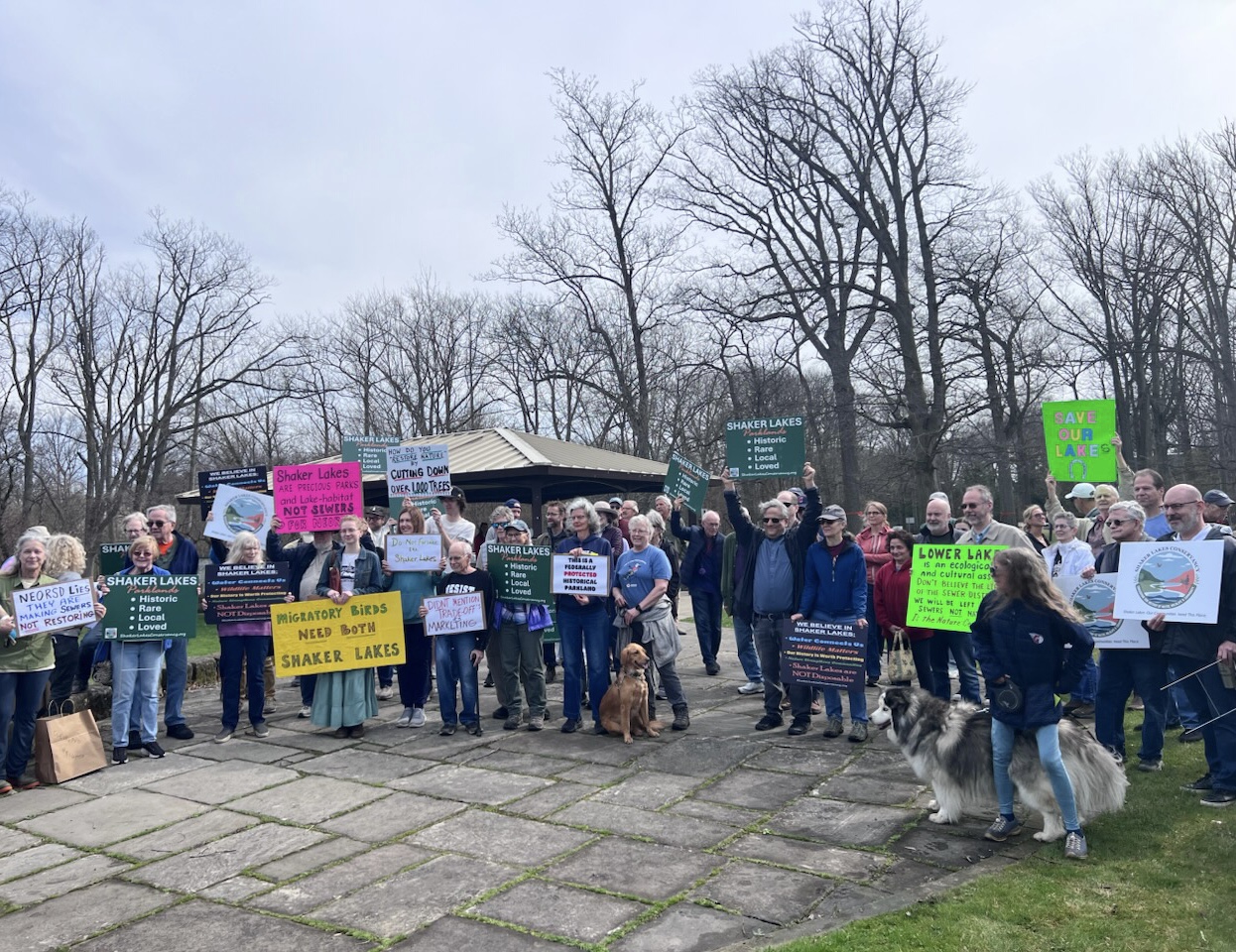
JOIN US TO HELP SAVE THE PARKLANDS.
The Shaker Lakes are on the National Registry of Historic Places
HISTORIC PRESERVATION IS UNDER THREAT AT THE FEDERAL LEVEL
For 60 years, Section 106 of the National Historic Preservation Act has required federal agencies to consider the adverse effects of their actions on historic places and has given communities a voice before decisions become irreversible.
On July 24, the Advisory Council on Historic Preservation voted to advance a sweeping and damaging rewrite of the regulations for Section 106 of the National Historic Preservation Act (NHPA). The National Trust for Historic Preservation voted no, calling the proposal “an attack on our civic and cultural inheritance.” Read this great article from the National Park Service Here
· Public input becomes optional.
· Your city loses its guaranteed seat at the table
· Tribal consultation protections are weakened
· Federal agencies gain the power to decide unilaterally what harm to mitigate, or whether to mitigate it at all.
LET'S STOP THIS NOW. See this from The Cleveland Restoration Society "a way to push back".
Want the full picture?
Section 106 Under Threat (National Trust For Historic Preservation)
How we got here and what comes next (NCSHPO).
Defend Section 106 (Cultural Heritage Partners).

Mayors and Councils of Shaker Hts, Cleveland Hts and Cleveland will you:
- Show how 5,000 petition signatures changed the project.
- Commit to an independent preservation feasibility study.
- Bring together local organizations, funding partners, and residents to collaborate.
- Leave a legacy of preservation for future generations.
The Shaker Lakes
Historic Parklands, including over 1000 mature trees,
are under threat. Understand what's going on.
Thank you for the overwhelming response to save Shaker Lakes Parklands!
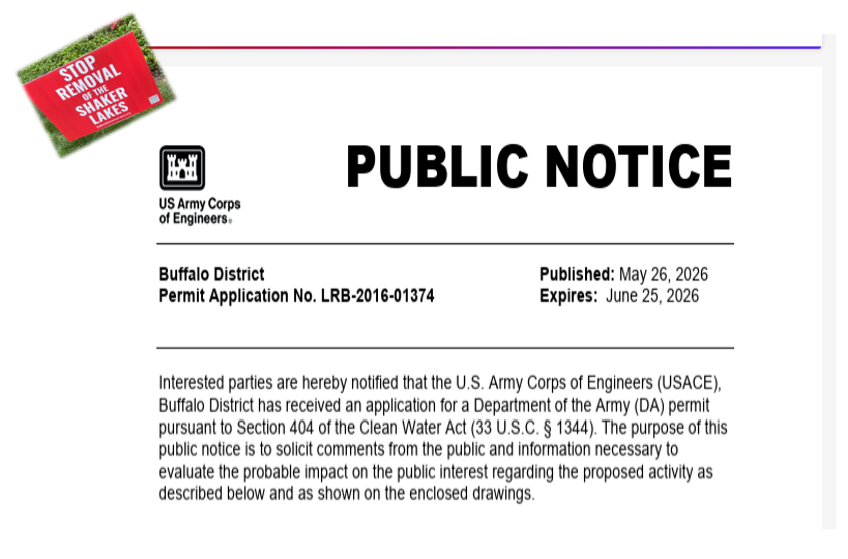
1. There were 790 letters and signatures submitted to United States Army Corps of Engineers by The People requesting a public hearing and demanding alternative plans that respect preservation. More information is forthcoming.
2. We are ready to surpass 5,000 petition signatures (including written) in a little over six months. This is an extraordinary level of civic engagement. Public participation should be more than an opportunity to be heard, it should be accompanied by a transparent explanation of how that input influenced decisions, what alternatives were reconsidered, and why.
3. Work continues: Federal permitting process remains active, the litigation is active, and community participation has become an important part of the ongoing review before the United States Army Corps of Engineers.
The Shaker Lakes -A Civic Asset
Someone sent us this one: The Shaker Lakes -the “other” Great Lakes
The Shaker Lakes are a Nationally Recognized Cultural Landscape
The Shaker Lakes were federally recognized as part of the historic North Union Shaker Site in 1974 — decades before the current restoration project existed.
The National Register nomination did not treat the Lakes as isolated infrastructure. It described the dams, lakes, Doan Brook corridor, mill sites, archeological resources, and surrounding open space as an interconnected historic landscape tied to the North Union Shaker community and “The Valley of God’s Pleasure.”
This history matters because it establishes that the Shaker Lakes are not simply vacant land awaiting redesign. They are part of a nationally recognized cultural landscape with documented historical, environmental, and community significance.
Read more → Learn about the 1974 and 1984 National Historic Designations
Our Position
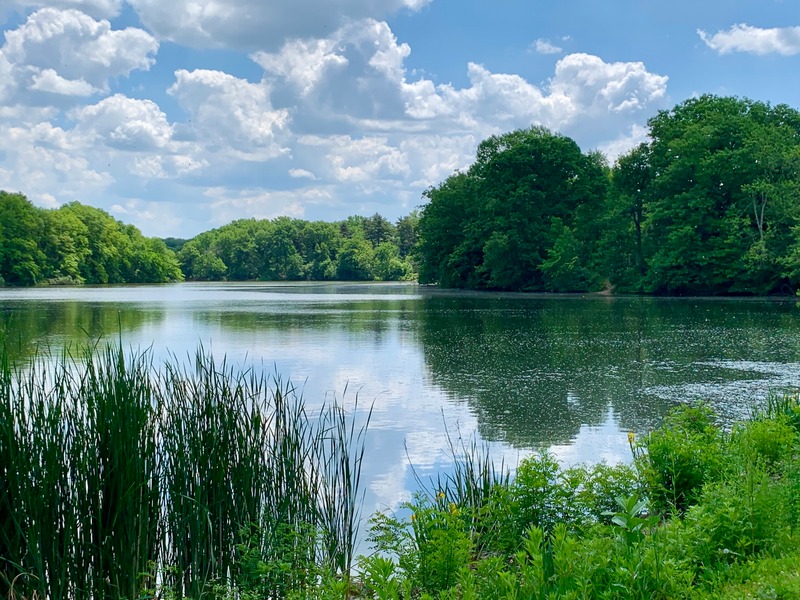
We stand to defend the Shaker Lakes protecting this historic, federally protected, and culturally vital landscape, preserving what makes it home, and ensuring its stewardship for future generations.
News & Update

The gratefulness for these lakes are highlighted by the letters we receive
Connect & Help

Get information and learn about ways to connect with people in our communities that are truly grateful for these lakes.
What's to See!
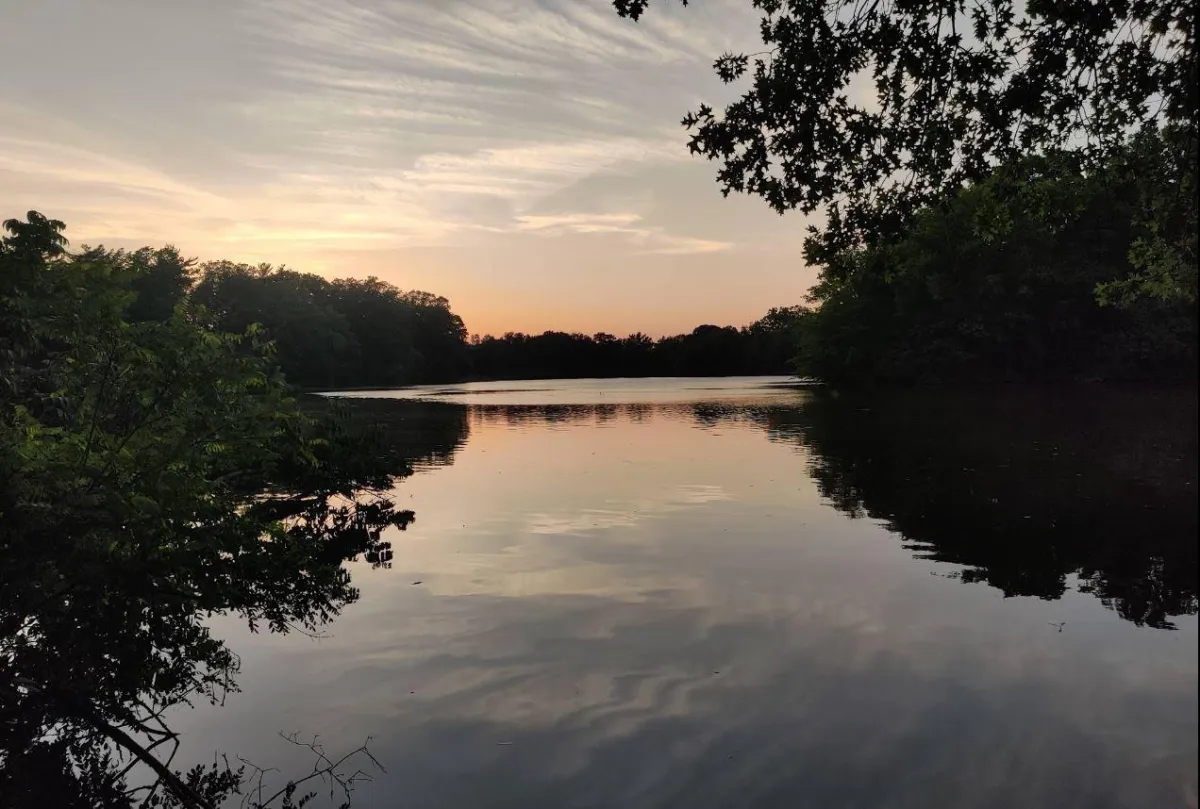
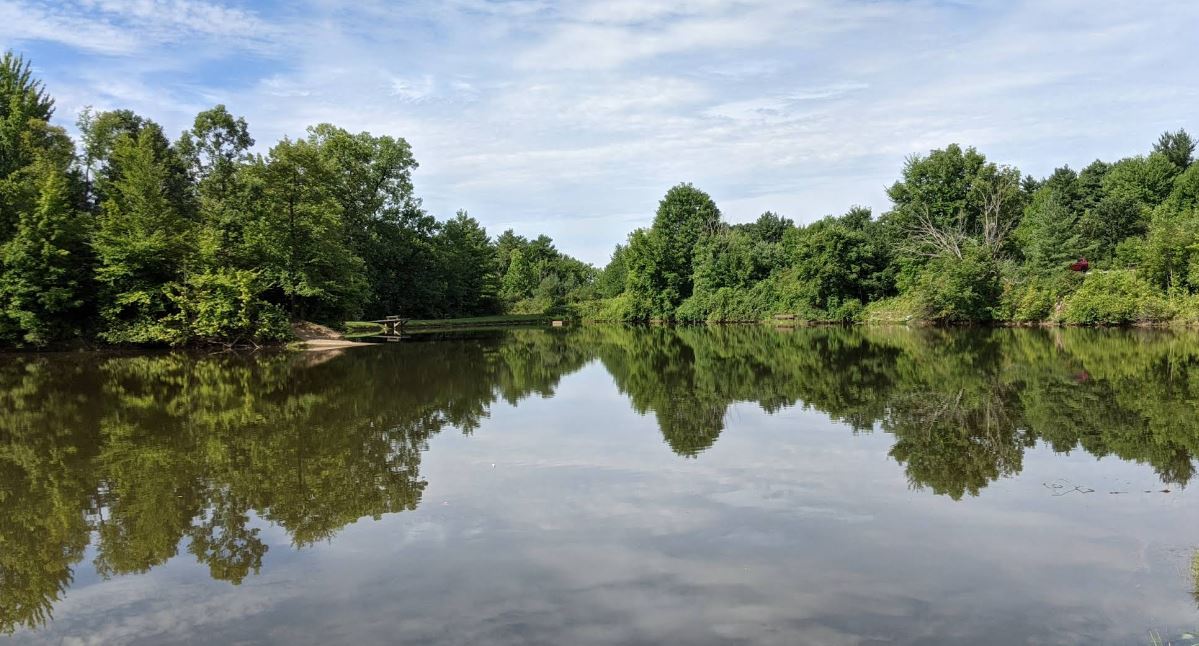
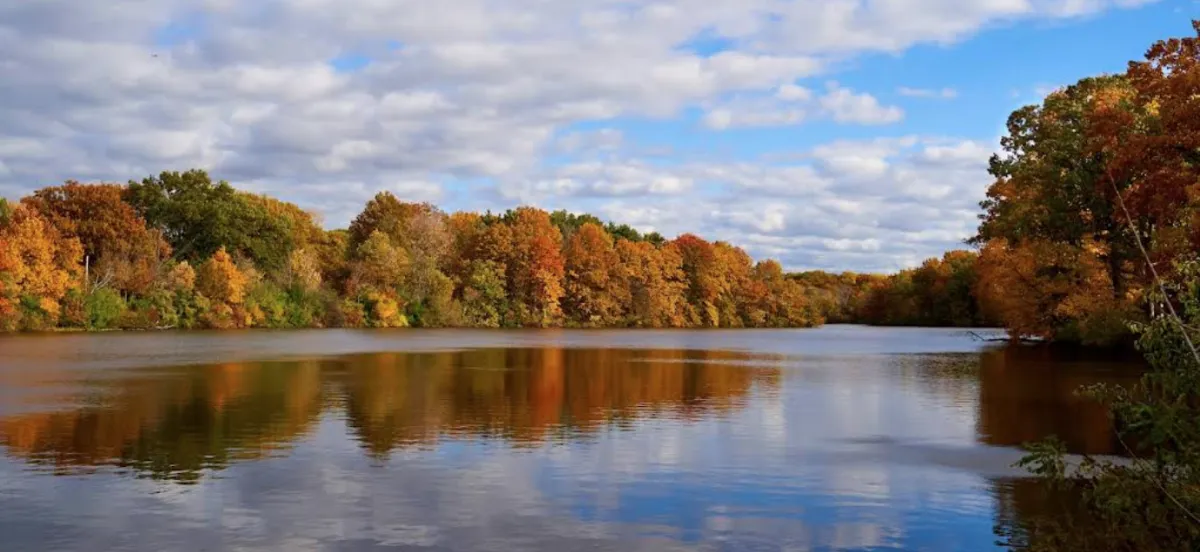
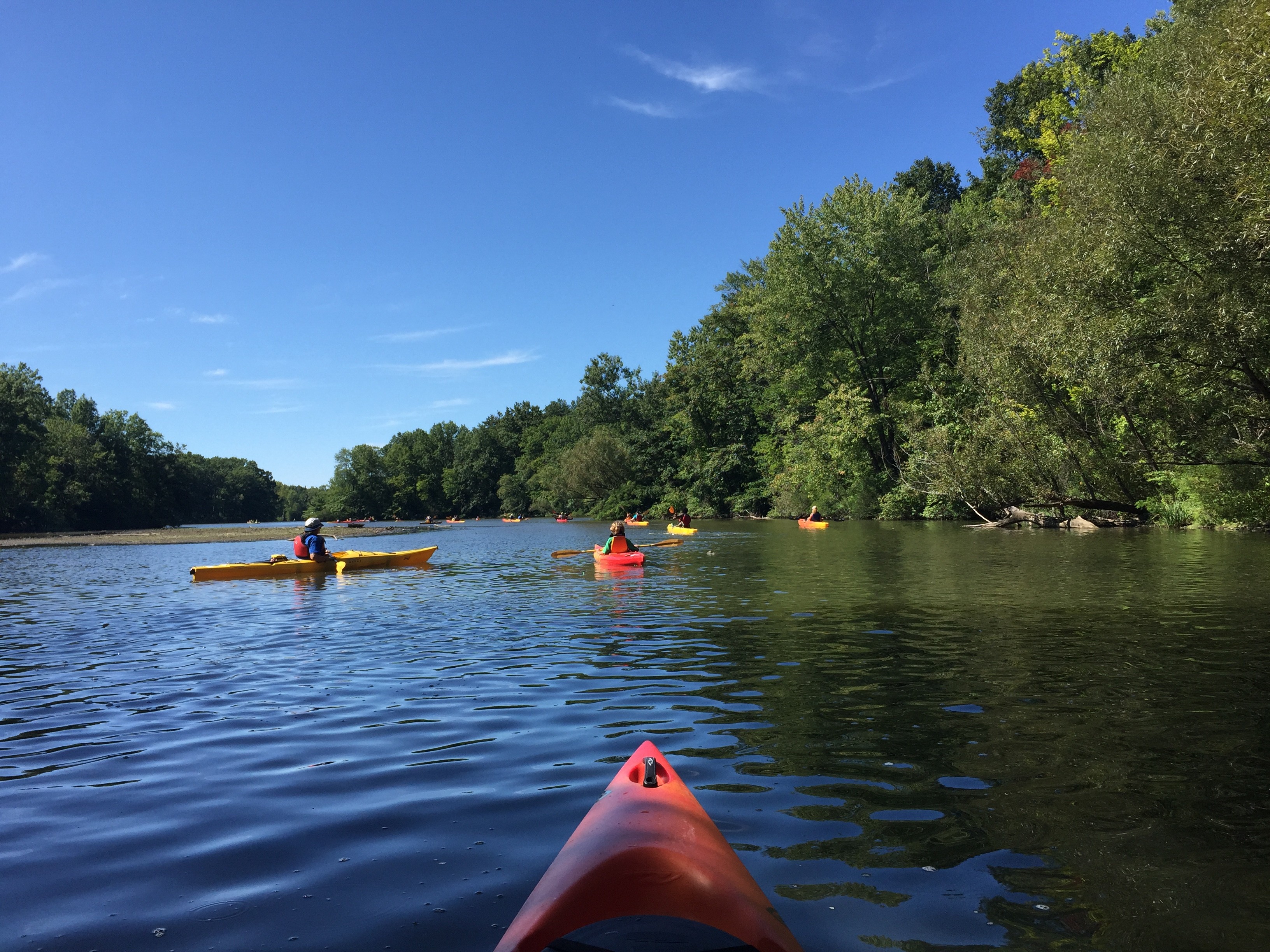
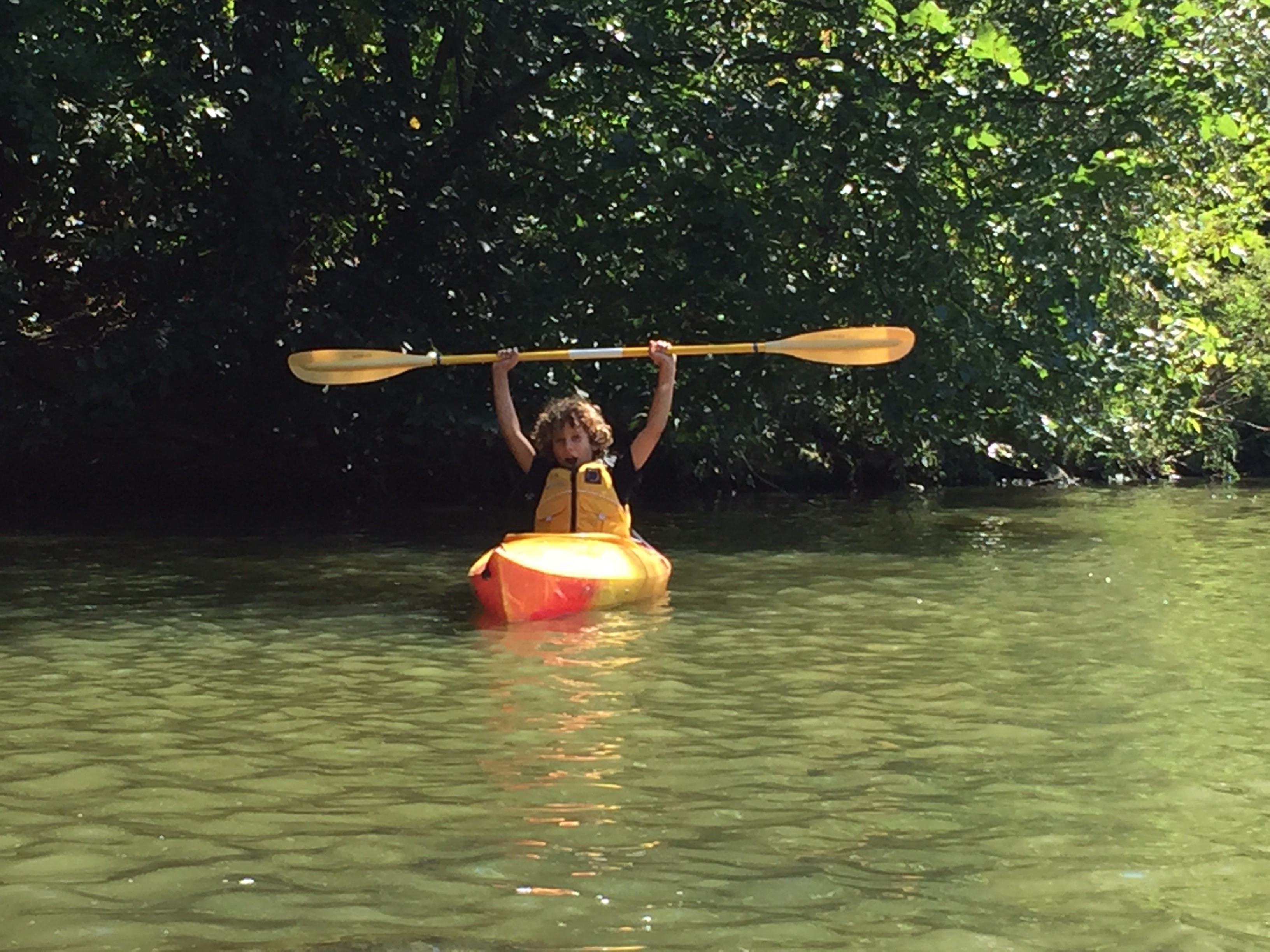
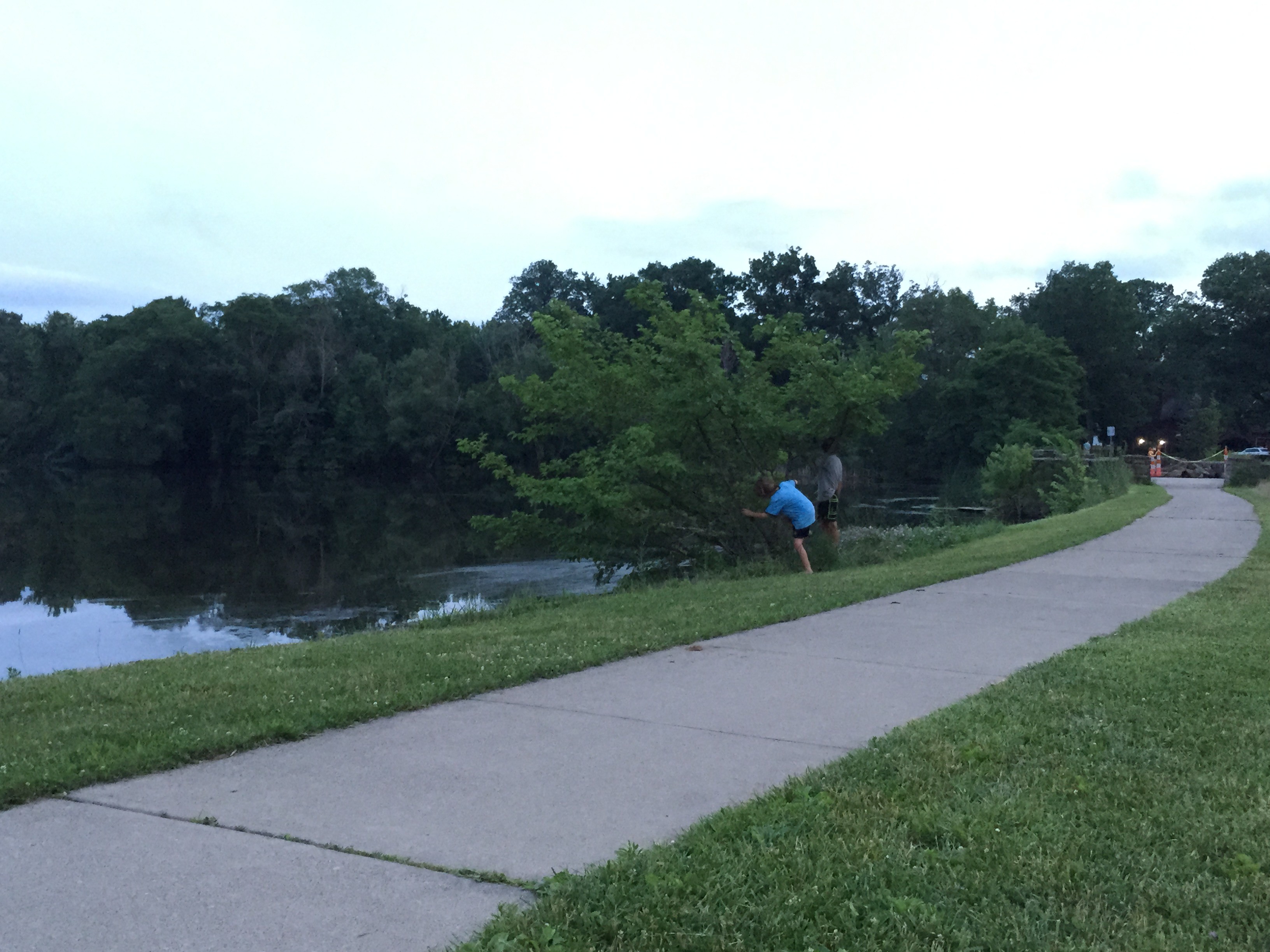
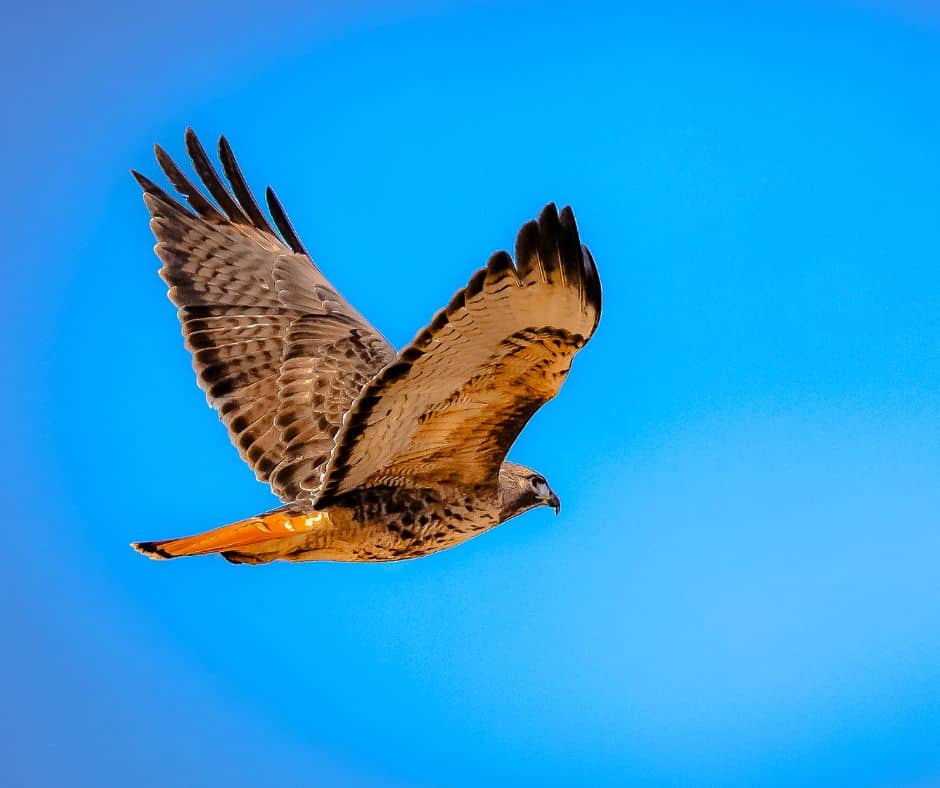
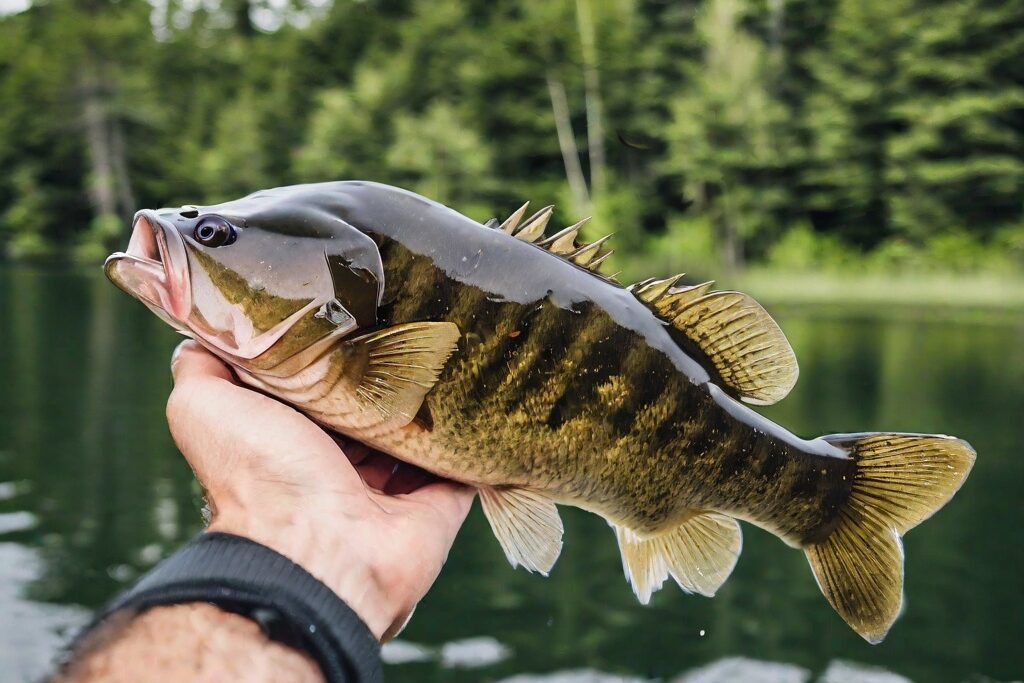
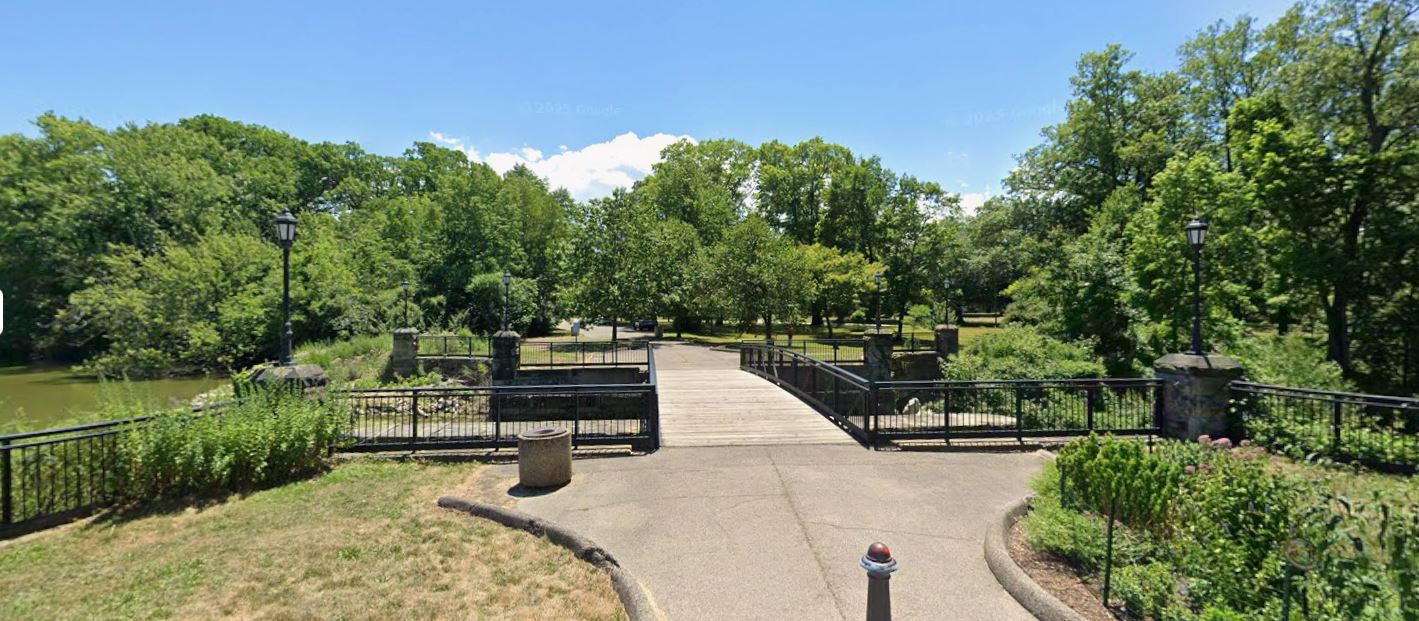
The stories are timeless of gratitude, connection, and the way these waters draw us closer to nature and to one another. You can walk the All People’s Trail, wander through changing forests, watch turtles sunning on logs, geese guiding their goslings, and birds filling the air with life. The Shaker Lakes -Water. Wildlife. Community.
Bird
Turtles
Flowers
History of Water
Threes
Walking Trails
Support By
JOIN US
Copyright © 2026. All rights reserved. Shaker Lakes Conservancy