Understanding Historic Landscape Review
The Shaker Lakes Parklands are widely recognized as more than isolated bodies of water or individual infrastructure features. The lakes, Doan Brook, trails, bridges, wooded corridors, boulevards, and surrounding parkland function together as an interconnected public landscape with historical, recreational, environmental, and cultural significance.
This broader landscape context is important because federal permits and approvals are involved in the current project. When federal involvement exists, historic review laws such as Section 106 of the National Historic Preservation Act may apply.
Section 106 requires federal agencies to:
• identify historic resources,
• evaluate potential impacts,
• consider alternatives,
• and consult with preservation agencies, Tribal Nations, local governments, and consulting parties before major changes proceed.
Historic review is not limited to individual structures alone. In some cases, the surrounding landscape, visual relationships, waterways, circulation patterns, and historic setting are also relevant to understanding how a place functions and why it matters.
Residents following the review process are seeking:
• transparent evaluation of the broader Parklands,
• access to supporting documents and analyses,
• explanation of how project boundaries were determined,
• and clear discussion of long-term impacts across the interconnected landscape.
Careful historic review helps communities make informed decisions about places that carry environmental, civic, recreational, and historical importance over time.
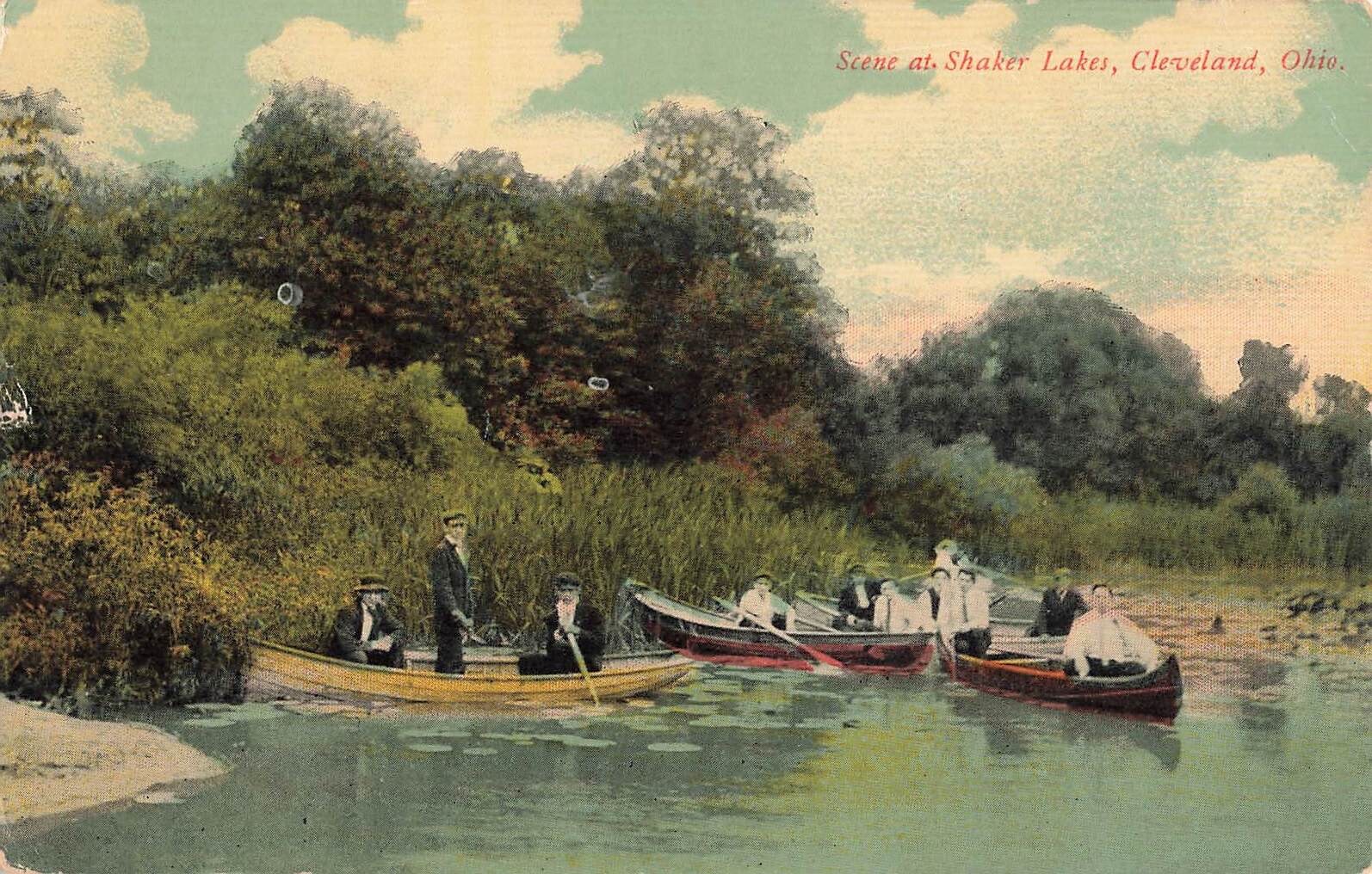
Below: A Shaker Lakes postcard from c.1914