Why Local Context and Informed Decisions Matter
Why Local Context and Informed Decisions Matter
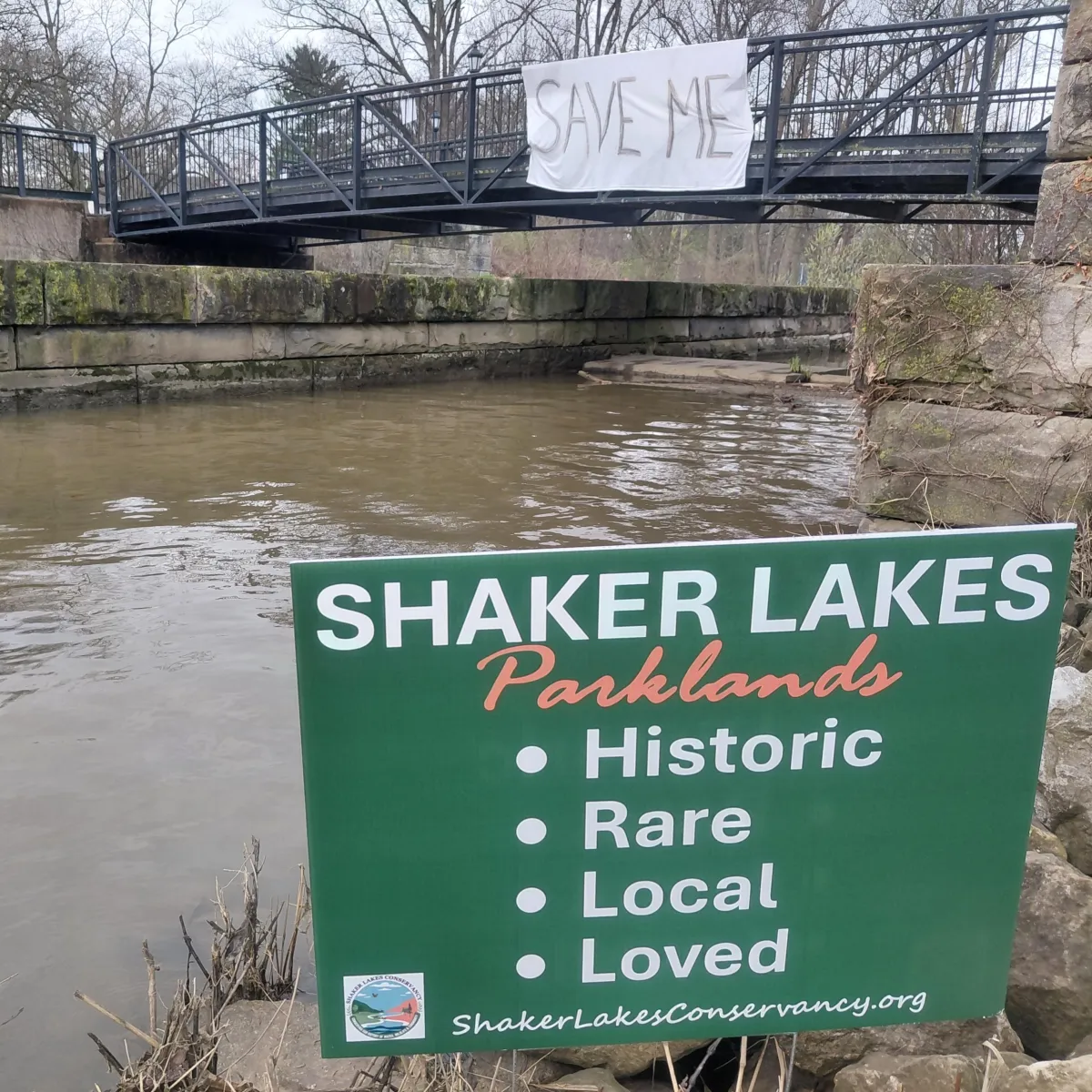
The Shaker Lakes Parklands are a historic, actively used urban landscape at the heart of our community. Any proposal to alter or remove the dams that create these lakes should be guided by careful, site‑specific analysis and a clear public understanding of the options—not by a one‑size‑fits‑all national narrative about dams in very different settings.
Why Local Context Matters
National stories about dam removal often focus on remote or lightly used structures that impound only inches of water, have lost their recreational purpose, and pose clear safety or ecological problems. The Shaker Lakes Parklands are different. Here, the lakes anchor year‑round recreation, nature education, and neighborhood identity. They support walking, birding, paddling, fishing, school programs, and community events, and they help sustain local property values and the broader appeal of Cleveland, Shaker Heights, and Cleveland Heights. The lakes and surrounding parklands are central public assets that can be enjoyed by everyone, in a dense, inner‑ring suburb—not forgotten infrastructure out of public view.
Why Residents Are Asking for More Transparency
Community members are not asking to ignore safety, environmental, or fiscal concerns. They are asking for clear information and meaningful public review before irreversible changes move forward. That includes:
Public access to independent engineering assessments of dam condition and performance during large storms.
Realistic, clearly explained descriptions of potential failure scenarios.
Open discussion of how different actions—removal, modification, or repair—would realistically affect flood behavior, water levels, and downstream neighborhoods.
Residents want to understand the actual risks and trade‑offs for these specific structures and this specific watershed, rather than rely on generalized assumptions.
Why We Need to Understand the Options
In other parts of the country, some dam owners have chosen removal because the cost of repairing particular structures outweighed the benefits they provided. That does not automatically mean removal is the most responsible choice everywhere. For the Shaker Lakes Parklands, the community has not yet been presented with a transparent, side‑by‑side comparison of:
Removal plus sediment management, channel reshaping, and full parkland redesign, and
Repair and modernization of the dams, targeted sediment work, and ongoing ecological enhancements—along with the recreational, educational, economic, and cultural value of keeping the lakes.
A full alternatives analysis is essential for an informed decision.
Why Site‑Specific Analysis Matters
Flood risk and ecological health are serious issues that must be evaluated with site‑specific hydrologic, engineering, and environmental studies. The key questions include how these particular dams perform in major storms, how proposed changes would alter peak flows downstream, and how different options would affect habitat, water quality, and sediment movement. These questions can only be answered through transparent technical work that is shared and discussed with the public.
Why the Parklands are Viewed as an Interconnected Landscape
The Shaker Lakes Parklands are a designed cultural and ecological landscape, with lakes, wetlands, stream corridors, and trails functioning together. The parklands provide habitat for birds, fish, turtles, and amphibians and serve as outdoor classrooms. Decisions about the dams will reshape not just individual structures, but the character and function of this entire historic landscape.
Why We’re Demanding a Call for Stewardship and Informed Review
The cities of Cleveland, Shaker Heights, and Cleveland Heights have a shared responsibility to steward the Shaker Lakes Parklands with care. Residents are asking the Northeast Ohio Regional Sewer District (NEORSD) to pause before implementing major physical changes, and to provide clear, public analysis of alternatives, risks, and benefits. With honest data, transparent review, and thoughtful planning, our community can balance safety, ecology, and heritage in a way that respects both the river and the historic lakes that define this place.
